Teddybear: A Professional Review for Branded Merch
As an embroidery designer who has spent years digitizing and stitching for small businesses, I approach every new machine embroidery design with a critical eye. It is not enough for a file to look cute on a screen; it must perform under the needle, withstand industrial washing, and elevate a brand's identity. Today, I am reviewing Teddybear, a design positioned within the Teddy Bears category, specifically evaluating its potential for commercial embroidery projects, branded patches, and small business merch.
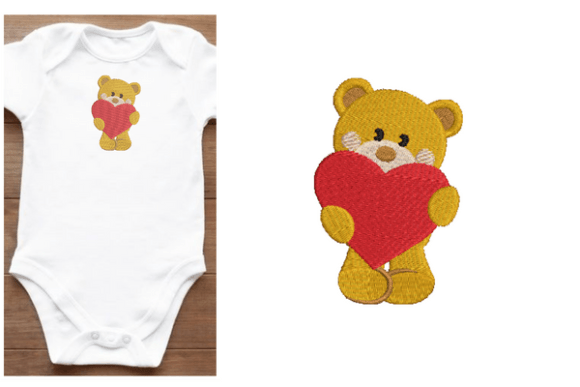
The first impression of Teddybear is one of approachable warmth. Based on the product description, which highlights its ability to be embroidered on "any fabric you like to work with," this file promises versatility. For a boutique owner or a café manager looking to add a human touch to their uniforms, this design feels inherently friendly and handmade. It avoids the sterile look of corporate logos, offering instead a sense of comfort and nostalgia that can significantly boost customer engagement. However, in the world of professional apparel decorating, "lovely" and "colorful" are subjective terms. We need to dig deeper into how this design translates from a digital embroidery file to a tangible asset on a cap, tote, or apron.
Real-World Application for Small Business Branding
Imagine a local bakery or a pet grooming studio wanting to create a cohesive look for their staff. This is where Teddybear shines as a strategic choice. Unlike aggressive or overly modern logos, a teddy bear motif softens the brand image, making it ideal for businesses that rely on trust and care. When applied as an embroidered patch on a denim apron or a canvas tote bag, the design serves as an immediate conversation starter. It tells the customer that the business values tradition, comfort, and quality craftsmanship.
For Etsy sellers and crafters, integrating Teddybear into product lines can increase the perceived value of items. Whether stitched onto pillows, towels, or bags as suggested in the description, the design acts as a seal of authenticity. In the context of custom apparel, placing this motif on the sleeve of a work shirt or as a chest logo accent on a polo provides a subtle yet effective branding opportunity. It is less about shouting a company name and more about creating a visual association with reliability and charm. For event merch, such as family fun runs or community fairs, this design works exceptionally well to create a unified, welcoming atmosphere among participants.
Navigating Technical Challenges in Production
While the aesthetic appeal of Teddybear is clear, a professional reviewer must address the technical realities of execution. The description notes the design is suitable for a "colorful look," which implies multiple thread colors. This is beautiful for home decor but requires careful management when applied to dark uniforms or textured fabrics. High stitch density in colorful areas can sometimes lead to puckering if the correct stabilizer is not used. Before running a full production batch, I strongly advise testing the design on the specific fabric texture intended for the finished product.
Size matters immensely in commercial embroidery. If you plan to use Teddybear as a small patch on a cap front or a tiny label on a garment, you must verify the minimum viable size. Detailed outlines and small features common in teddy bear designs can merge together if scaled down too far, resulting in a muddy appearance. Always check the hoop size requirements against your machine's capabilities. Furthermore, curved surfaces like baseball caps present a unique challenge; the design must be digitized with pull compensation in mind to prevent distortion. If the file was originally intended for flat items like pillows, it may require re-digitizing or careful hoarding techniques to work effectively on a structured cap.
Another critical factor is washability. Staff uniforms and tote bags undergo frequent laundering. A design with high stitch density might become stiff or uncomfortable over time if not balanced correctly. I recommend running a wash test on a sample piece to ensure the thread colors do not bleed and the structural integrity of the embroidery holds up. This step is non-negotiable for maintaining professionalism and ensuring the longevity of your branded merchandise.
Enhancing Brand Identity and Customer Trust
In today's market, brand identity is about more than just a logo; it is about the feeling a customer gets when interacting with your products. Teddybear contributes to a narrative of care and attention to detail. When a customer receives a tote bag or a pillow featuring this high-quality embroidery, it reinforces the idea that the business invests in quality. This visual consistency across different touchpoints—from staff aprons to customer gifts—builds recognition and trust.
For handmade brands, using a recognizable motif like a teddy bear can differentiate products in a crowded marketplace. It adds a layer of personality that generic text logos often lack. The "handmade" presentation is amplified when the stitching is crisp and the color contrast is well-managed. This design has the potential to become a signature element of a brand, much like a mascot, fostering an emotional connection with the buyer. It transforms a simple utility item, like a towel or a bag, into a keepsake that the customer is likely to keep and display, extending the reach of your marketing organically.
Essential Designer Notes for Commercial Use
Before committing to a large order or adding Teddybear to your catalog of design assets, there are several practical steps every professional should take. First, test the design in black and white. This reveals whether the contrast relies too heavily on color or if the shape itself is strong enough to stand alone. This is crucial for applications where color matching might be difficult or costly.
- Verify Licensing: The description mentions the design is wonderful for various uses, but always confirm commercial licensing terms before selling items featuring this artwork. Ensure you have the right to use the digital embroidery file for profit.
- Create a Printable Mockup: Before stitching a single thread, generate a printable mockup to show clients how the design will look on their specific garments. This manages expectations and allows for adjustments before production begins.
- Check Thread Color Contrast: Review the color palette against your intended fabric. Ensure there is enough contrast for the details to pop, especially if the final product will be viewed from a distance.
- Inspect Spacing and Density: Look closely at the spacing between elements. Tight spacing can cause thread breaks or bird nesting, while wide spacing might expose the backing material.
- Compare with Other Assets: Place Teddybear beside your existing brand elements to ensure visual harmony. It should complement, not clash with, your current typography or logo styles.
Finally, remember that the product description states the design works on "any fabric," but in practice, performance varies. Always conduct a run-off on a scrap piece of the actual material you intend to use. Pay attention to how the stabilizer interacts with the fabric weave. By taking these precautions, you ensure that Teddybear delivers not just a colorful look, but a professional, durable, and brand-enhancing finished product that stands up to the demands of small business commerce.