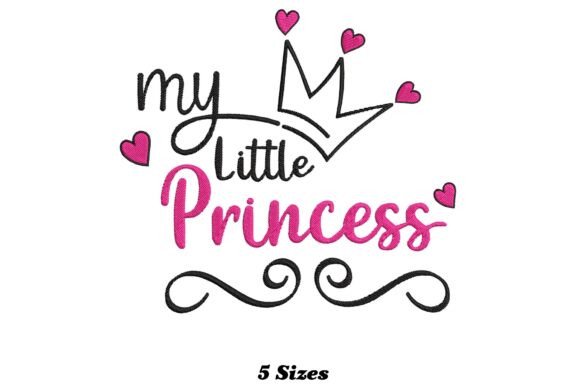
My Little Princess: A Designer's Review for Business Merch
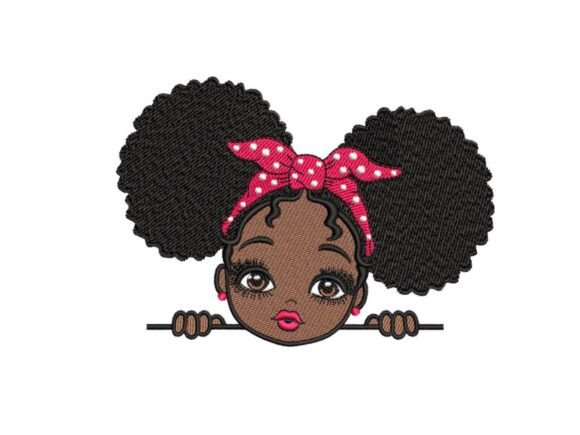
As an embroidery designer who spends most of my days digitizing logos and testing files for commercial clients, I approach every new machine embroidery design with a critical eye. It is not just about whether a pattern looks cute on a screen; it is about how that digital embroidery file translates into a tangible asset for a small business. Today, I am reviewing "My Little Princess," a design categorized under Boys and Embroidery, to see if it holds up as a viable option for branded merchandise, staff uniforms, and boutique product lines.
Upon first glance, the title "My Little Princess" paired with the description promising a "charming update" and "fun and quirky flair" suggests a specific visual personality. Despite the categorization, the aesthetic leans heavily into the playful, handmade, and decorative realm. For a business owner, this implies a brand identity that is approachable, warm, and perhaps slightly nostalgic. It does not scream corporate rigidity; instead, it whispers of creative studios, local bakeries, florists, or pet brands that want to project a friendly, community-focused image. The design feels less like a stark industrial logo and more like a signature mark that adds character to a handmade product.
Real-World Application for Small Business Merch
The true test of any embroidery file is its versatility in real-world scenarios. Where does "My Little Princess" fit within a commercial strategy? Based on the description's mention of embellishing t-shirts, towels, and home decor, I envision several high-value applications for small business owners.
- Branded Patches: This design seems ideal for an embroidered patch. A local café could use it as a chest accent on barista aprons, creating a uniform that feels custom rather than generic. The "quirky flair" mentioned in the product details would resonate well with customers looking for a unique experience.
- Staff Uniforms and Aprons: For a boutique or flower shop, apron embroidery is a fantastic way to elevate staff presentation. Placing this design on the bib of a canvas apron adds a touch of personality without overwhelming the professional look. It signals to the customer that the staff takes pride in their craft.
- Tote Bags and Packaging: The description explicitly mentions towels and home decor, which translates perfectly to retail packaging. A cloth tote bag featuring this design serves as both a shopping bag and a walking advertisement. It turns a simple transaction into a memorable unboxing experience.
- Cap Embroidery: While caps can be tricky, a simplified version of this design could work beautifully on the side panel of a dad hat or baseball cap, offering a subtle brand marker for events or team wear.
For Etsy sellers and crafters, integrating "My Little Princess" into custom apparel lines could be a strong differentiator. In a market saturated with plain vinyl transfers, a stitched design offers texture and perceived value. It tells the buyer that the finished product was made with care, justifying a higher price point.
Critical Considerations for Production
However, enthusiasm must be tempered with technical scrutiny. As a designer, I have to warn potential users about where this design might face challenges. The description highlights a "fun and quirky" nature, which often correlates with detailed outlines or varied thread colors. When scaling this down for small applications, such as a pocket logo on a work shirt or a tiny tag on a garment, details can get lost.
You must be cautious regarding stitch density. If the design is too dense, it can cause puckering, especially on lighter fabrics like t-shirts or thin tote bags. Conversely, if the density is too low, the fabric texture might show through, ruining the crispness of the image. Before running a full production batch, it is vital to test the design on the actual fabric texture you intend to use. Dark uniforms, for instance, may require a dense underlay or a backing layer to prevent the garment color from bleeding through the lighter threads of the design.
Furthermore, curved surfaces present a unique challenge. If you plan to use this for cap embroidery, ensure the design is digitized specifically for curved hoops. A standard flat file pulled onto a curved cap front can result in distortion, making the text unreadable or the shapes warped. Always verify the recommended hoop size before purchasing to ensure it fits your machine's capabilities and your intended placement area.
Impact on Brand Identity and Customer Trust
Why does the choice of a specific embroidery file matter for brand identity? Consistency builds trust. Using a cohesive set of design assets like "My Little Princess" across various touchpoints—aprons, bags, and packaging—creates a visual language that customers recognize. It moves a business from being a generic service provider to a distinct brand with a personality.
When a customer receives a gift or purchases an item featuring high-quality embroidery, their perception of value increases immediately. The tactile nature of stitching conveys durability and quality. For a small business, this translates to higher customer retention and word-of-mouth marketing. A well-executed printable mockup showing this design on your products can significantly boost engagement on social media, as it visually communicates the premium nature of your offerings before the customer even touches the product.
Professional Designer Notes for Implementation
To ensure the best results when using "My Little Princess" for commercial purposes, I recommend following these practical steps:
- Test in Monochrome First: Before committing to colorful threads, stitch the design out in black and white. This helps you evaluate the contrast and clarity of the shapes without the distraction of color matching.
- Check Scalability: Verify if the design retains its integrity at smaller sizes. If you plan to use it as a small patch, ensure the fine details do not merge together.
- Review Thread Contrast: Ensure your chosen thread colors stand out against the base fabric. Low contrast can make the design look muddy and unprofessional.
- Inspect Spacing and Density: Look for areas where stitches are too close together, which can cause thread breaks, or too far apart, revealing the fabric underneath.
- Use Proper Stabilizer: Match your stabilizer to the fabric weight. Heavy designs need cut-away stabilizer for longevity, while lighter designs on stable fabrics might only need tear-away.
- Create Client Mockups: Always generate a printable mockup for client approval before stitching the final run. This manages expectations and prevents costly errors.
- Verify Licensing: Crucially, confirm the commercial licensing terms. Just because a file is available for purchase does not automatically grant rights for unlimited commercial embroidery projects. Check the specific terms included with the file.
In conclusion, "My Little Princess" offers a charming and versatile option for businesses looking to add a human touch to their merchandise. While it fits naturally within the Boys and Embroidery categories, its application extends far beyond children's wear. With careful attention to technical details like stabilizer selection, hoop sizing, and fabric compatibility, this design can become a cornerstone of a small business's visual identity, enhancing brand recognition and adding tangible value to every stitched item.