Funny Sloth: A Designer's Review for Branded Merch
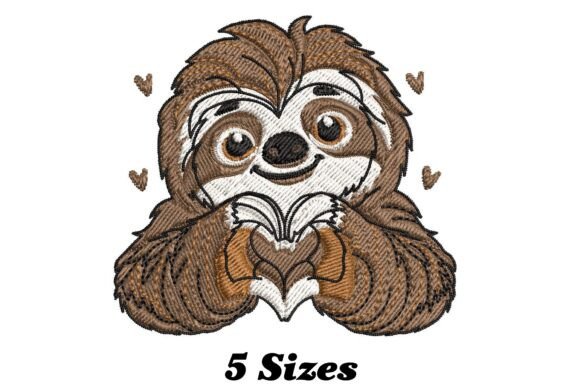
As an embroidery designer who spends most of my day digitizing logos and testing files for small business clients, I am always on the lookout for designs that strike the perfect balance between personality and professionalism. When I first pulled up the Funny Sloth machine embroidery design, my immediate reaction was one of cautious optimism. In the world of Wild Animals themed Embroidery, it is easy to find files that look too cartoonish for a serious brand or too stiff to convey fun. However, this specific file offers a charming update that feels genuinely versatile for modern branded merchandise.
The first impression of Funny Sloth is undeniably friendly and playful. It does not scream "corporate stiffness," which is exactly why it works so well for boutique shops, creative studios, and local cafes looking to humanize their brand identity. The design carries a rustic, handmade product feel that resonates deeply with today's consumers who value authenticity over mass-produced perfection. For Etsy sellers and crafters, this aesthetic is gold. It suggests that the item was made with care, adding a layer of emotional value to the finished product.
Real-World Applications for Small Business Merch
Let's move beyond theory and discuss how Funny Sloth performs in actual commercial embroidery scenarios. I envision this design working exceptionally well as an embroidered patch. Patches are currently a huge trend in small business merch because they allow brands to add removable branding to various items. Imagine a local bakery using this sloth on a canvas tote bag; it instantly transforms a generic bag into a recognizable brand asset. The quirky flair mentioned in the description translates perfectly to customer gifts or event merch, making recipients feel like part of an exclusive club.
For apparel decorators, the potential here is significant. This design is ideal for custom apparel such as staff uniforms that need to break the ice. A coffee shop barista wearing a shirt with the Funny Sloth on the sleeve or chest pocket creates an approachable vibe that encourages customer interaction. It also shines in apron embroidery. In a florist shop or a pottery studio, an apron featuring this design adds a touch of whimsy to the workwear without compromising utility. Furthermore, for cap embroidery, if the design scales down well, it could serve as a delightful accent on the side panel of a dad hat, appealing to a younger demographic.
The versatility extends to home decor and accessories as well. Using this as a tote bag design for a bookstore or a pet brand could drive impulse buys at the register. The key is that the design feels like a character rather than just a logo, which helps in building brand recognition and trust. When customers see a consistent visual element like Funny Sloth across different touchpoints—from packaging accents to employee shirts—it reinforces visual consistency and professionalism.
Critical Considerations for Production
While the artistic merit of Funny Sloth is high, a professional review must address the technical challenges of production. Not every design works everywhere, and knowing where to use this file carefully is crucial for maintaining quality. One major concern with detailed animal designs is stitch density. If the file is too dense, it can cause puckering, especially on lightweight fabrics like t-shirts or thin tote bags. Before running a full production batch, you must test the design on the actual fabric texture you intend to use.
Size matters immensely here. If you plan to use Funny Sloth for a tiny label or a small patch under two inches, you need to inspect the spacing of the elements. Fine details often disappear when scaled down, turning a charming sloth into an indistinguishable blob. Similarly, curved surfaces like the front of a cap require careful hooping and stabilizer selection. A design that looks flat and perfect on a towel might distort on a structured cap if the hoop size and stabilization strategy aren't adjusted. Dark uniforms present another challenge; ensure the thread colors provide enough contrast so the design pops rather than getting lost in the background.
Frequent washing is another factor for items like aprons and work shirts. High stitch counts can sometimes lead to stiffness or thread breakage over time. It is vital to verify the durability of the stitch types used in this digital embroidery file. If the design relies heavily on satin stitches for outlines, it may hold up better than complex fill patterns on items that undergo rigorous cleaning cycles.
Enhancing Brand Identity and Value
Incorporating Funny Sloth into your product line does more than just decorate fabric; it actively shapes brand identity. For handmade brands and independent creators, using unique design assets like this separates you from competitors using generic clipart. It signals to the buyer that you invest in quality and creativity. This perception directly influences product value. A simple tote bag becomes a "designer tote" when it features a well-executed, character-driven embroidery piece.
Customer engagement often hinges on these small details. People love sharing photos of cute or funny merchandise on social media. A well-placed sloth design can become an Instagrammable moment, providing free marketing for your small business. It builds an emotional connection, making the brand feel accessible and fun. However, this only works if the execution is flawless. A poorly stitched design can damage trust, so the commitment to quality control is non-negotiable.
Practical Notes for the Embroidery Professional
Before you commit to purchasing or producing with Funny Sloth, here are my essential designer notes to ensure success. First, always test the design in black and white or grayscale. This helps you evaluate the contrast and structure without the distraction of color. Check if the design holds its integrity at the smallest size you intend to produce. Review the thread color palette suggested in the file; sometimes, swapping a standard green for a muted olive or a bright yellow for a pastel can better match your specific brand colors.
Inspect the spacing between elements to ensure there is no flagging or loose threads. Confirm the required hoop size fits your machine's capabilities, especially if you are working with smaller hoops for patches. Always use the proper stabilizer for your specific fabric type—cut-away for knits and tear-away for wovens are general rules, but heavy designs may require water-soluble toppings to prevent sinking into plush towels.
Create a printable mockup for client approval before stitching a single thread. This allows you to visualize the placement on a shirt or bag and make adjustments digitally. Compare Funny Sloth beside your other design assets to ensure it complements your existing visual language rather than clashing with it. Finally, and perhaps most importantly, confirm the commercial licensing terms. Since this is intended for small business merch and commercial embroidery projects, you must ensure the license allows for unlimited production runs or if there are restrictions on the number of finished products you can sell.
The product description notes that this is a machine embroidery design meant to embellish t-shirts, towels, and home decor, but it does not specify exact stitch counts, available file formats, or specific hoop dimensions. Therefore, it is imperative to check those technical details with the vendor before starting production. By taking these precautions, Funny Sloth can become a staple in your catalog, driving sales and delighting customers with its quirky, charming presence.