Sleeping Baby Elephant: A Designer's Review
As an embroidery designer who spends more time staring at stitch maps than most people care to admit, I am always cautious when browsing new design assets. We have all been there: you download a cute file, load it onto your machine, and halfway through the run, you realize the density is too high for the fabric or the details are lost in a blob of thread. That is why I took a close look at the Sleeping Baby Elephant available on Creative Fabrica before committing it to a real customer order. This review is written from the perspective of a professional looking for reliable, commercial-grade work that holds up under scrutiny.
First Impressions and Visual Mood
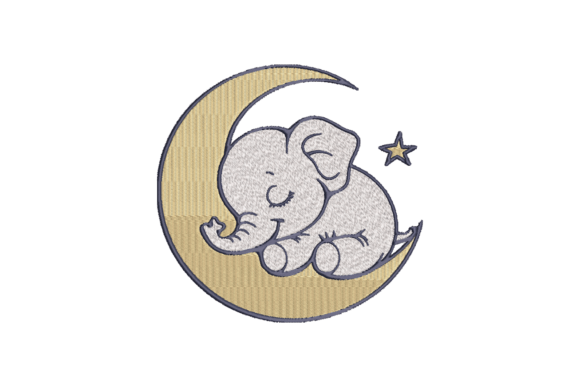
The moment I opened the preview for the Sleeping Baby Elephant, the whimsical nature of the design stood out. In the world of Baby Animals embroidery, there is a fine line between adorable and overly simplistic. This design strikes a balance that feels gentle and inviting. The visual mood is soft, making it an immediate candidate for nursery decor and infant apparel.
What caught my eye was the potential versatility mentioned in the product description. It claims to effortlessly grace everyday items, and visually, the composition supports this. The lines appear clean, suggesting a thoughtful arrangement of satin stitch outlines and fill stitch bodies. For a designer, this implies that the digitizer considered how light reflects off the threads, which is crucial for creating dimension without needing thousands of extra stitches.
Real-World Application Scenarios
The true test of any machine embroidery design is not how it looks on a screen, but how it performs on actual goods. I mentally ran through my current queue of projects to see where this elephant would fit best.
- Custom Apparel: This design is perfect for a baby onesie or a toddler sweatshirt. The subject matter naturally appeals to parents looking for personalized gift options.
- Tote Bags and Aprons: Because the design seems to have a contained shape, it would work well as a central motif on a canvas tote or a kitchen apron, adding a touch of charm to functional items.
- Nursery Decor: Imagine this stitched onto a pillow cover or framed as wall art. The sleeping theme aligns perfectly with calming nursery aesthetics.
- Embroidered Patches: If the file includes a tack-down or merrow edge option (which you must verify in the file details), this could be a stunning iron-on patch for jackets or hats.
For Etsy sellers and boutique owners, the Sleeping Baby Elephant offers a way to expand a product line without reinventing the wheel. It fits seamlessly into collections focused on woodland themes or baby showers.
Technical Considerations for Production
Before running any digital embroidery file on a final product, we must address the technical realities of embroidery machinery. While the design looks promising, several factors require attention to ensure a high-quality finished product.
Fabric and Stabilizer Choices
The success of this design will heavily depend on your choice of stabilizer. If you are stitching on stretchy fabric like a cotton jersey sweatshirt, a cut-away stabilizer is non-negotiable to prevent puckering over time. For woven items like tote bags or aprons, a tear-away might suffice, but given the likely fill areas of an elephant body, I would lean towards a medium-weight cut-away for durability, especially if the item will be washed frequently.
Dark fabrics present another challenge. If you plan to stitch this on a navy blue hoodie, you must check the thread colors suggested in the file. You may need to manually adjust the color sequence to include an underlay or a lighter background fill to make the elephant pop against the dark material. Always compare light and dark fabric mockups before starting production.
Hoop Size and Detail Retention
One critical check is the hoop size. Small hoop sizes can sometimes limit the scale of the design, potentially compressing the stitch density to a point where the needle perforates the fabric too aggressively. Conversely, if the design is large, ensure your machine can handle the area. Pay close attention to tiny details like the eyelashes or the curl of the trunk. On textured fabrics like terry cloth towels, these small running stitch details might get lost. In such cases, increasing the stitch length slightly or avoiding highly textured materials for this specific design might be wise.
Commercial Viability and Licensing
For those using this for commercial embroidery, understanding the license is paramount. Creative Fabrica products often come with specific terms regarding physical vs. digital sales. Before listing items on Etsy or selling at craft fairs, you must confirm the file details and licensing on the product page. Ensure that the license allows for unlimited physical sales if you plan to make this a staple in your shop. Trust and transparency with your buyers start with you respecting the creator's terms.
Enhancing Product Value and Brand Perception
Incorporating a high-quality design like the Sleeping Baby Elephant can significantly impact buyer trust and brand consistency. When a customer receives a handmade item with crisp, well-digitized embroidery, it elevates the perceived value of the product. It signals that the maker cares about quality.
Furthermore, this design aids in product photography. A cute, sleeping elephant creates an emotional connection, making the item more "giftable." This emotional resonance drives engagement on social media and can lead to higher conversion rates for online listings. Whether used for a printable mockup to test market interest or stitched directly onto a cap, the aesthetic appeal helps your brand stand out in a crowded marketplace.
Final Verdict and Practical Tips
The Sleeping Baby Elephant appears to be a strong contender for designers looking to add whimsical, baby-themed items to their catalog. However, as with any applique design or standard fill design, due diligence is required.
Here is my recommended workflow before full-scale production:
- Test on Scrap Fabric: Never skip this step. Stitch the design on the exact same fabric and stabilizer combination you intend to use for the customer.
- Inspect Small Details: After stitching, hold the sample up to the light. Check for gaps in the fill or overlapping satin stitches that look messy.
- Check Thread Contrast: Ensure the thread colors provide enough contrast so the design does not look muddy, especially from a distance.
- Verify File Formats: Confirm that the download includes the format compatible with your specific machine brand (e.g., PES, DST, XXX).
If the Sleeping Baby Elephant passes these tests, it has the potential to become a bestseller in your shop. It combines a universally loved subject with a versatile layout that suits various handmade products. By approaching it with a professional mindset—checking densities, stabilizers, and licenses—you can transform this digital asset into a tangible product that delights customers and builds your reputation as a skilled craftsperson.