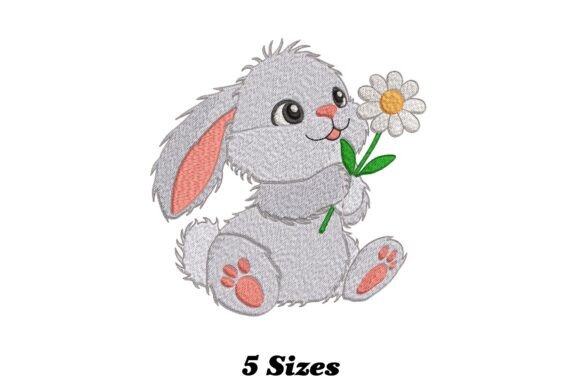
Rabbit with Daisy Flower: A Boutique Embroidery Review
As an embroidery designer constantly curating collections for boutique apparel, I am always on the lookout for designs that strike the perfect balance between whimsical charm and technical reliability. Recently, while browsing the Woodland Animals category on Creative Fabrica, the Rabbit with Daisy Flower caught my eye. It promises to bring a bit of charm to fabrics with a playful touch, suitable for everything from t-shirts to home decor. Before committing this design to a production run for my online shop, I needed to evaluate its potential for real-world application on sweatshirts, hoodies, and custom apparel.
Visual Personality and Design Mood
The first impression of the Rabbit with Daisy Flower is one of soft, rustic elegance. Unlike some overly cartoonish woodland creatures, this design feels grounded and slightly vintage, making it an excellent candidate for the current trend of cozy, cottage-core aesthetics. The visual personality leans heavily towards feminine and playful, yet it retains a classic simplicity that prevents it from looking childish. For a boutique brand aiming to sell lifestyle products, this mood is invaluable. It suggests warmth and handmade quality, which are key drivers for customer engagement in the handmade product market.
The decorative strength of this machine embroidery design lies in its composition. The juxtaposition of the rabbit against the daisy creates a natural focal point that works well whether scaled down for a chest pocket or enlarged for a back design. It feels premium without being overly dense, a crucial factor when working with varied fabric textures. Whether you are targeting Etsy sellers looking for unique graphics or small clothing brands building a seasonal line, this design offers a versatile visual language that speaks to comfort and nature.
Application on Sweatshirts and Hoodies
When planning a small collection of neutral sweatshirts and pastel hoodies, placement is everything. The Rabbit with Daisy Flower performs exceptionally well as a left-chest accent on oversized garments. On a heavy fleece hoodie, the design adds a touch of sophistication that elevates the garment from basic loungewear to a statement piece. I envision this working beautifully on sage green, oatmeal, or blush pink fabrics, where the thread colors can pop subtly against the background.
For sleeve accents, the compact nature of the design allows it to sit comfortably on the forearm without distorting the fabric's drape. However, when considering back designs, one must be mindful of the scale. Enlarging the embroidery file significantly requires careful attention to stitch density to ensure the backing does not become too stiff for a comfortable wearable. For tote bags and denim jackets, the design's structural integrity holds up well, providing a durable finished product that withstands daily use.
Navigating Fabric Challenges
While the design is versatile, there are areas where caution is required. Embroidering on stretchy fabric or ribbed cuffs demands a strategic approach to stabilizer choice. Fleece and thick cotton blends, common in sweatshirt embroidery, generally support the design well, but curved surfaces like the shoulder seam of a hoodie can cause registration issues if the hoop size is not maximized or if the fabric is not drum-tight. Dark garments present another consideration; without high-contrast thread colors, the details of the rabbit and daisy might get lost. It is essential to review the suggested thread list and adjust for visibility on navy or black apparel.
Furthermore, tiny lettering should be avoided near this design if combining elements, as the intricate stitches of the rabbit's fur and the daisy petals require breathing room. Areas that may stretch or wrinkle, such as the lower hem of a t-shirt, are not ideal for this specific motif. The goal is to maintain the crispness of the woodland aesthetic, which can be compromised by fabric movement post-wash.
Enhancing Brand Identity and Value
Incorporating the Rabbit with Daisy Flower into a product line can significantly affect apparel value and brand identity. For an Etsy seller or creative entrepreneur, consistency is key to buyer trust. Using this design across a range of items—from cozy seasonal outfits to everyday tees—creates visual consistency that helps customers recognize your brand instantly. It signals a curated approach to design rather than a random assortment of graphics.
Professional presentation is heightened when the embroidery looks intentional and high-quality. This design supports that narrative. When used in lifestyle product photos or printable mockups for social media graphics, the whimsical nature of the rabbit invites interaction. It tells a story of slow fashion and thoughtful creation, which resonates deeply with modern consumers who value commercial embroidery products that feel personal and unique.
Practical Designer Notes for Production
Before running a full batch of custom apparel, several practical steps are non-negotiable. First, always test on scrap fabric that matches the weight and texture of your final garment. This allows you to check stabilizer choice and inspect stitch density without risking expensive inventory. Confirm the hoop size required for the specific format you download, as this varies by machine.
It is also vital to compare placement options on the actual garment rather than relying solely on digital previews. Thread color contrast should be tested under different lighting conditions to ensure the design reads well in person and in photographs. Since the product description mentions it is perfect for stitching on various items but does not specify exact stitch counts, file formats, or license terms, you must check the Creative Fabrica product details thoroughly before selling finished apparel. Ensure the licensing covers commercial embroidery products if you intend to sell the physical goods.
Ultimately, the Rabbit with Daisy Flower is a strong contender for any designer looking to add a touch of woodland magic to their collection. With careful attention to fabric selection and stabilization, it transforms simple blanks into desirable, boutique-quality pieces. By respecting the technical limitations and leveraging its aesthetic strengths, you can create a line of small shop products that stand out in a crowded marketplace.