LGBT Pride Fingerprint Embroidery Design Review
As a designer who spends more time staring at stitch simulations than most people care to admit, I approach every new machine embroidery design with a mix of excitement and skepticism. We have all seen the trend of fingerprint art in various mediums, but translating that organic, ridged texture into thread requires a delicate balance. When I first loaded the Lgbt Pride Fingerprint Embroidery Design onto my screen, my immediate reaction was one of cautious optimism. The concept is powerful: merging the universal symbol of individual identity with the vibrant spectrum of the Pride flag. It sits squarely in the Awareness category, yet it feels personal enough for intimate gifts.
First Impressions and Visual Personality
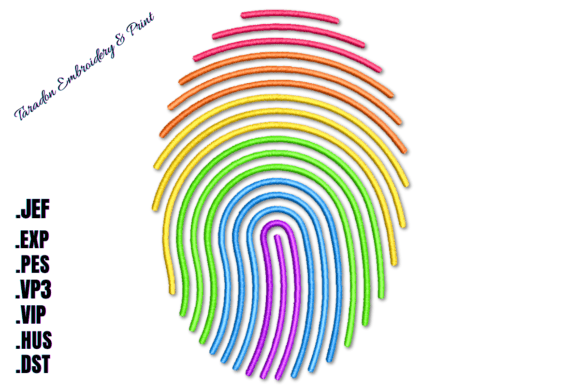
The visual personality of this embroidery file is distinct. Unlike standard block-letter Pride logos that rely heavily on solid fill stitch blocks, this design attempts to mimic the swirling loops of a human fingerprint using color gradients. My first concern was always going to be clarity. Will the rainbow stripes blur together into a muddy brown when stitched out? Upon closer inspection of the digitizing, the separation between the thread colors looks intentional. The layout uses the natural flow of the fingerprint ridges to guide the eye, creating a sense of movement rather than a static image.
The mood it creates is one of inclusive warmth. It feels less like a protest sign and more like a statement of belonging. For a craft business owner, this nuance is vital. Customers today are looking for handmade product items that tell a story without shouting. This design offers a subtle way to show support during Pride month or year-round. The detail level is moderate; it is not so fine that it will vanish on a textured towel, but it possesses enough intricacy to look professional on a smooth garment.
Real-World Application: The Custom Tote Scenario
To truly evaluate this embroidery project, I imagined a specific real-life scenario. Picture a local boutique preparing for a Pride festival. They need a tote bag design that stands out in a sea of printed canvas bags. They choose this fingerprint motif. Why? Because embroidery adds tactile value that printing cannot match.
If I were stitching this onto a heavy cotton canvas tote, the stitch density would need to be monitored. A dense fingerprint pattern on a thick fabric can cause puckering if the stabilizer isn't up to the task. In this hypothetical run, I would pair this design with a cut-away stabilizer to ensure the ridges of the fingerprint remain crisp and do not sink into the weave of the bag. The result would be a finished product that feels substantial. A customer running their hand over the bag would feel the texture of the "print," reinforcing the theme of leaving a mark on the world.
Beyond totes, this design shines as sweatshirt embroidery. On a fleece hoodie, the rainbow fingerprint becomes a cozy badge of honor. The slight loft of the fleece complements the raised nature of the stitches. However, one must be careful with fabric texture. If the fleece is too shaggy, the finer details of the fingerprint swirls might get lost. A smooth French terry or a tight-knit cotton blend would be the superior choice here to maintain the integrity of the lines.
Navigating Technical Challenges
No design is without its quirks, and honest review means addressing where the Lgbt Pride Fingerprint Embroidery Design demands caution. The primary challenge lies in the transition of colors within a small space. Fingerprints have tight loops. If your machine has tension issues or if you are using low-quality thread that frays easily, those tight turns could result in bird nests or broken threads.
For those considering this for baby embroidery, such as a onesie or a nursery blanket, extra care is required. Babies have sensitive skin, and a large area of dense stitching can be scratchy. In this case, I would recommend scaling the design down slightly or ensuring a soft backing is applied to the reverse side of the stitching. Furthermore, baby items undergo frequent washing. You must verify that the stitch density allows the fabric to breathe and move without causing the garment to warp after ten wash cycles.
Curved surfaces present another hurdle. Applying this to a cap is possible, but the flat nature of a fingerprint design can look distorted if not centered perfectly on the front panel of a structured hat. The ridges might appear to wave unnaturally if the hooping technique is sloppy. For caps, I suggest using a firmer stabilizer and perhaps opting for a slightly simplified version of the file if the original proves too detailed for the curved hoop area.
Commercial Viability and Brand Consistency
For an Etsy seller or a small shop product creator, consistency is key to building trust. This design holds high potential for brand recognition because it is unique. While many shops sell generic rainbow flags, a fingerprint implies "your pride" or "our unique community." This emotional connection can justify a higher price point for a personalized gift.
When creating printable mockup files for your online store, this design photographs well because the thread sheen catches the light differently across the ridges. This adds depth to product photos, making them more engaging than flat digital renders. However, before listing it as a commercial embroidery asset or selling finished goods, you must check the licensing terms provided with the download. Some designers allow unlimited sales of finished physical items but restrict the resale of the digital file itself. Always confirm these details to protect your craft business.
Final Verdict and Designer Notes
In conclusion, the Lgbt Pride Fingerprint Embroidery Design is a thoughtful addition to any library focused on Awareness and inclusivity. It bridges the gap between political statement and personal expression. It is versatile enough for holiday embroidery gifts, wedding favors for same-sex couples, or everyday custom apparel.
Before committing to a production run, here are my practical notes for fellow makers:
- Test on scraps first: Always stitch a sample on the exact fabric you intend to use. Check how the rainbow transitions look on dark versus light backgrounds.
- Check contrast: Ensure your thread palette has enough distinction between the red, orange, and yellow sections so they don't blend into a single mass.
- Review hoop size: Confirm the design fits your available hoop without needing excessive re-hooping, which can lead to misalignment.
- Inspect small details: Look closely at the inner loops of the fingerprint. If they are too tight for your machine's minimum stitch length, you may need to edit the file.
- Stabilizer matters: Do not skimp here. A water-soluble topper might help prevent the needle from pushing fuzzy fibers into the satin or fill areas.
- Licensing check: Verify if the license permits selling the finished product commercially or if it is for personal use only.
This design is not just a pattern; it is a conversation starter. When executed with care, proper tension, and the right materials, it elevates a simple piece of fabric into a meaningful artifact of identity. Whether you are decorating a kitchen towel, a pillow cover, or a high-end boutique jacket, this fingerprint motif offers a modern, textured approach to showing pride.