Cute Little Fairy: A Seasonal Embroidery Review
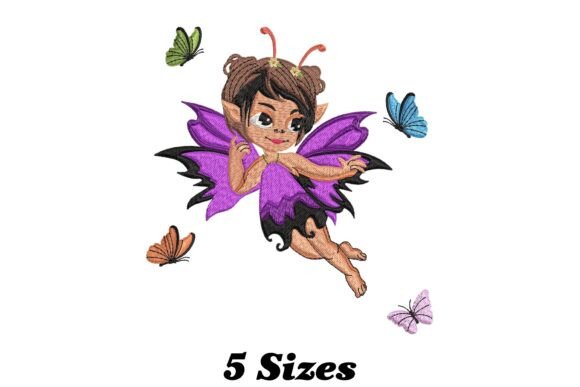
As an embroidery designer constantly curating collections for the upcoming holiday rush, I approach every new digital embroidery file with a critical eye. It is not just about whether the design looks good on a screen; it is about how it translates to fabric, how it survives the wash cycle, and most importantly, how it resonates with a customer looking for that perfect handmade gift. Today, I am reviewing the Cute Little Fairy design, a piece that sits squarely in the Fairy Tales category but holds immense potential for seasonal and holiday product lines.
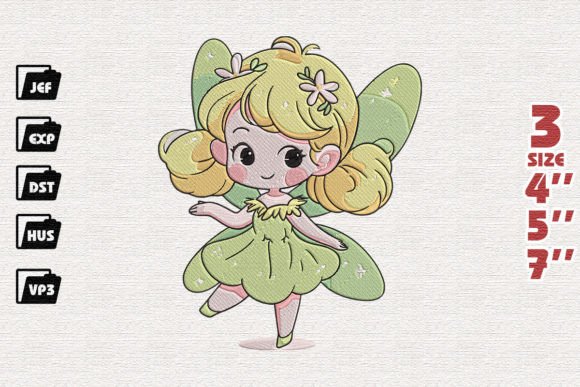
My first impression of Cute Little Fairy was one of whimsical warmth. In a market often saturated with generic snowflakes or overly complex winter scenes, this design offers a softer, more magical touch. The emotional tone is undeniably playful yet nostalgic, evoking memories of childhood storybooks. For a small shop product line, this aesthetic is gold. It bridges the gap between everyday cute and special occasion magic, making it versatile enough for spring Easter baskets or winter Christmas ornaments depending on how you style the surrounding elements.
Visual Appeal and Seasonal Mood
The decorative style of this machine embroidery design leans towards the delicate and charming. When I visualize this stitched out, I see it working beautifully on items that require a touch of innocence and wonder. For the holiday season, the "cute" factor is a massive driver for sales, particularly among parents and grandparents shopping for young girls. The design feels festive without being overtly religious or tied to a single specific holiday, which increases its shelf life in your inventory.
Whether you are aiming for a rustic, cottage-core vibe or a modern, clean look, Cute Little Fairy adapts well. On a linen kitchen towel embroidery project, it adds a whimsical break from traditional holiday motifs. On a plush pillow cover, it creates a cozy nook for a child's reading corner. The level of detail appears sufficient to catch the eye without being so dense that it compromises the drape of the fabric, a crucial consideration for apparel.
Strategic Product Applications for Holiday Sales
When planning a seasonal collection, versatility is key. Here is how I would deploy Cute Little Fairy across various product categories to maximize revenue during the gifting period:
- Apparel and Matching Sets: This design is perfect for sweatshirt embroidery. Imagine a "Big Sister, Little Sister" set where the fairy is paired with custom lettering. It also works wonderfully on girls' dresses and t-shirts, creating instant best-sellers for boutique owners.
- Home Decor and Gifts: Use the design on tote bags to create eco-friendly gift bags for other presents. A tote bag design featuring this fairy could be sold as a standalone item or as part of a bundle. It also shines on wall art hoops, ready to hang in a nursery.
- Accessories and Linens: Consider creating embroidered patches. An embroidered patch allows customers to apply the magic to existing jackets or backpacks. Additionally, applying this to aprons makes for a charming hostess gift during the holiday cooking season.
- Ornaments and Keepsakes: For a limited-time drop, stitch this onto felt or stiffened fabric to create hanging ornaments. These make excellent stocking stuffers or tree decorations that families can keep for years.
Performance in Real Selling Situations
For an Etsy seller or craft fair vendor, the visual recognition of a design is paramount. Cute Little Fairy has strong silhouette potential, meaning it reads well even in small printable mockup images on social media. When building product listings, the emotional connection this design fosters can significantly boost conversion rates. Customers are not just buying a shirt; they are buying a piece of magic for their child.
In terms of commercial embroidery, this design supports brand consistency if your shop focuses on children's goods or whimsical home decor. It enhances buyer emotion by tapping into the universal love for fairy tales. Furthermore, because it is distinct yet adaptable, it helps in creating gift bundles. Pairing a fairy-embroidered pillow with a matching book or a set of hair clips can increase your average order value significantly during the holiday shopping periods.
Technical Considerations and Fabric Compatibility
While the artistic potential is high, a professional review must address the technical execution. There are specific scenarios where Cute Little Fairy should be used with caution to ensure the quality of the finished product.
First, consider the hoop size. If the design contains intricate details, ensure your hoop is large enough to capture the full image without cropping essential elements. Always check the specific dimensions provided with the file before committing to a small item like a sock or a narrow strap.
Second, pay attention to stitch density. When stitching on thick towels or heavy sweatshirt fleece, a design that is too dense can cause puckering or make the fabric stiff. Conversely, on stretchy garments, insufficient density might lead to gaps showing the fabric underneath. I recommend testing the design on scrap pieces of your intended material first.
Third, thread selection is vital. While metallic threads can add a magical sparkle to the fairy's wings, they can be temperamental and prone to breaking. For items that need repeated washing, such as t-shirts or bed sets, stick to high-quality rayon or polyester thread colors that offer durability. Also, be cautious with dark fabrics; ensure the design includes appropriate underlay or satin borders to prevent the background fabric from showing through lighter thread areas.
Designer Notes for Best Results
To ensure your seasonal collection stands out, follow these practical steps when working with this embroidery file:
- Test Thread Colors: Always stitch a sample on both light and dark fabric to see how the color palette interacts with the background.
- Check Stabilizer: Use the proper stabilizer for your specific fabric texture. Cut-away stabilizer is often best for stretchy knits, while tear-away may suffice for woven cottons.
- Review Small Details: After stitching, inspect tiny details like the fairy's face or wing patterns. If they are lost, you may need to adjust tension or simplify the thread count in your machine settings.
- Plan Color Palettes: Create cohesive collections by planning matching color palettes. For example, use pastel threads for spring and richer, deeper tones for winter holidays.
- Verify Licensing: Before selling any personalized gift or holiday embroidery product, confirm the commercial licensing terms of the file. Ensure you are compliant with the creator's rules regarding mass production or resale limits.
In conclusion, Cute Little Fairy is a robust addition to any seasonal catalog. Its ability to evoke joy and nostalgia makes it a powerful tool for connecting with customers. By paying attention to technical details like stitch density and material compatibility, you can transform this digital file into a tangible product that delights recipients and drives sales for your small business. Whether used for a quick handmade gift or a full-scale holiday launch, this design proves that sometimes, a little bit of magic is exactly what the market needs.