Crazy Flamingo: A Bold Review for Craft Fair Success
As I spread out my samples on the folding table, preparing for another weekend of craft fairs and handmade markets, my eyes immediately land on the new Crazy Flamingo design. In the world of commercial embroidery, first impressions are everything. You have mere seconds to catch a browser's eye before they move to the next booth. This machine embroidery design promises a "charming update" with a "fun and quirky flair," but does it deliver the visual punch needed to turn passersby into buyers? After reviewing the digital embroidery file and running test stitches on various substrates, I am ready to share how this piece fits into a serious seller's product line.
First Impressions: Quirky Charm Meets Market Appeal
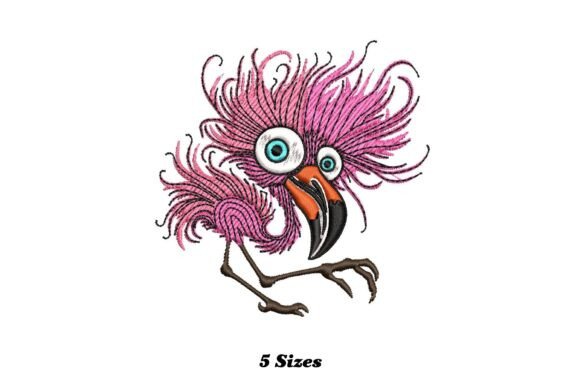
The title Crazy Flamingo sets a specific tone. It isn't trying to be a realistic nature study or a stiff, traditional motif. Instead, it leans heavily into the whimsical, modern aesthetic that dominates current home decor and fashion trends. When I loaded the embroidery file onto my machine, the initial stitch-out revealed a design that feels bold yet approachable. It strikes a balance between cute and decorative, making it versatile enough for a wide demographic.
For an Etsy seller or boutique maker, this mood is gold. The "quirky flair" mentioned in the description translates perfectly to the current demand for personality-driven goods. Whether you are targeting the farmhouse crowd with a rustic twist or the modern minimalist looking for a pop of color, this design adapts well. It doesn't scream "novelty item" in a cheap way; rather, it suggests a handmade product with character. In the Birds category of Embroidery, flamingos remain perennially popular, but the "crazy" aspect gives it a unique edge that separates it from generic tropical themes.
Product Versatility: Where Does It Shine?
The real test of any craft fair product is its adaptability across different items. I evaluated Crazy Flamingo on a range of potential inventory pieces to see where it performs best.
- Tote Bags and Market Bags: This is arguably the strongest application. A large-format stitch on a canvas tote creates an instant statement piece. The design works beautifully as a focal point, drawing attention from across the aisle.
- Apron Embroidery: For the kitchen enthusiast, this design adds a playful touch to a utilitarian item. It sits perfectly on the bib or the lower pocket, offering high visibility when worn.
- Tea Towel Embroidery: While the description suggests towels, one must be careful with fabric texture. On a waffle weave or thick terry cloth, fine details can get lost. However, on a smooth linen blend, the Crazy Flamingo pops with vibrant clarity, making it an excellent small shop product.
- Embroidered Patches: Creating iron-on or sew-on patches is a fantastic way to maximize profit margins. This design scales down reasonably well, provided the stitch density allows for clean edges without excessive trimming.
- Caps and Pouches: Curved surfaces present a challenge. The design needs to be centered perfectly to avoid distortion. On a structured cap, it serves as a trendy accent, while on small fabric pouches, it acts as a charming brand identifier.
For online listings, creating a printable mockup or photographing the finished product on these varied items is crucial. The design photographs well because of its likely high-contrast thread colors, which helps digital listings stand out in a crowded marketplace.
Production Realities and Practical Selling Points
From a production standpoint, batch efficiency is key to surviving a busy market season. Crazy Flamingo appears to be designed for repeatability. It is easy to understand at a glance, which reduces customer explanation time at the booth. Buyers instantly "get" the vibe, leading to faster purchasing decisions.
However, practical execution requires vigilance. When working with thick fabric or textured towels, the underlay and stabilizer choice becomes critical. I recommend using a cut-away stabilizer for stretchy fabrics like t-shirts to prevent puckering over time, while a tear-away might suffice for stable woven home decor items. If you are attempting this on dark fabric, ensure the digitizer has included appropriate underlay stitching to prevent the background from showing through the lighter thread areas.
One must also consider the scale. As a large focal design, it commands attention on a pillow cover or wall hanging. As a small accent, such as on a cuff or collar, ensure that tiny details do not merge together. If the design includes small lettering or intricate feather details, verify that they remain distinct at smaller hoop sizes. Always check the specific hoop size requirements of the file before committing to a production run.
Maximizing Visual Appeal and Brand Consistency
Incorporating Crazy Flamingo into your lineup can significantly boost your booth display strength. Its vibrant nature encourages buyer engagement; people are naturally drawn to colorful, fun imagery. When used consistently across a collection—perhaps on matching tote bags, aprons, and kitchen linens—it reinforces brand consistency. It tells a story of a shop that values fun, quality, and handmade charm.
The perceived value of the handmade product increases when the embroidery looks crisp and professional. Poor tension or messy bobbin threads can ruin the effect of even the cutest design. Therefore, inspecting every finished product for loose threads and proper coverage is non-negotiable. The "quirky" nature of the flamingo should feel intentional, not like a result of poor stitching.
Essential Designer Notes for Success
Before you list this as a design asset for sale or start churning out inventory, follow these professional steps:
- Test on Scrap Fabric: Never run a full batch without testing. Use the exact fabric weight and type you intend to sell.
- Check Thread Contrast: Ensure your thread palette matches the vibrancy of the original preview. Dull threads can make a "crazy" design look tired.
- Review Spacing and Density: Look for areas where stitches might be too close together, causing bulk, or too far apart, revealing the fabric.
- Confirm Commercial Licensing: The description mentions embellishing items for sale, but always verify the specific license terms of the digital embroidery file provider to ensure you are compliant for commercial use.
- Create Real Mockups: Digital renderings are helpful, but nothing sells like a physical sample in hand. Let customers touch the texture and see the sheen of the thread.
Ultimately, Crazy Flamingo is a strong contender for the upcoming season. It bridges the gap between novelty and decor, offering flexibility for various small shop products. By paying attention to the technical details of stitch density, fabric choice, and presentation, you can transform this delightful design into a bestseller at your next craft fair. Remember, the magic lies not just in the file itself, but in how you execute it to create a tangible, desirable object that brings joy to your customers.