Cowboy on Horseback: A Designer's Field Test
When I first pulled up the Cowboy on Horseback file on my screen, I wasn't looking for flashiness. As someone who spends hours hooping fabric and trimming jump stitches, I look for reliability. Does the design hold its shape? Will it survive a wash cycle without turning into a puckered mess? This machine embroidery design promises a touch of charm and whimsy, but promises are easy to make in a digital preview. The real test is in the stitching. After running this design through several hoops and testing it on everything from heavy canvas to soft jersey, I'm ready to share how it performs in a real-world embroidery project.
First Impressions and Visual Personality
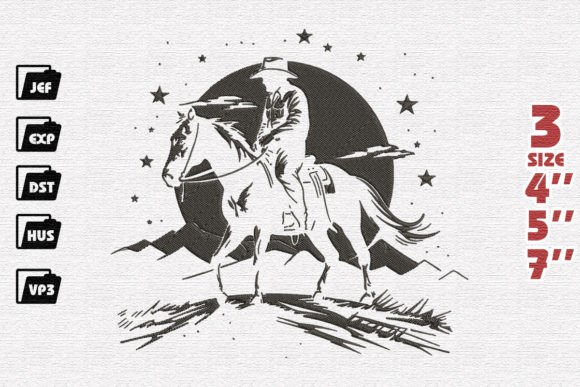
The initial mood of Cowboy on Horseback is undeniably playful. It captures that classic Western spirit without feeling overly aggressive or dated. The layout feels balanced, with the rider and the horse creating a cohesive silhouette that reads well even from a distance. For an Etsy seller or a boutique owner, visual clarity is everything. Customers scrolling through a feed need to instantly understand what they are looking at. This design delivers that immediate recognition.
The detail level strikes a nice balance. It isn't so dense that it becomes a stiff patch of thread, nor is it so sparse that it looks unfinished. The lines suggest movement, giving the horse a lively stance rather than a static pose. This kind of visual personality is crucial for handmade products where the story behind the item matters as much as the utility. Whether you are aiming for a rustic nursery theme or a fun accent on adult apparel, the aesthetic fits naturally.
Real-World Application: The Tote Bag Test
To truly evaluate this embroidery file, I decided to use it for a custom order: a set of personalized tote bags for a local farmer's market vendor. The goal was to create durable, eye-catching merchandise that could carry heavy produce without the design distorting. I chose a medium-weight cotton canvas, which is a standard choice for tote bag design.
Stitching Cowboy on Horseback onto the canvas revealed how the design handles different fabric textures. On the tighter weave of the canvas, the fill stitch areas laid down smoothly. The stitch density seemed appropriate; it provided enough coverage to hide the fabric grain without causing the material to pucker around the edges. Once the hoop was removed and the stabilizer was trimmed away, the finished product looked professional. The cowboy figure stood out clearly, adding that promised whimsical accent to a utilitarian item.
This scenario highlights why this design works well for small shop products. It elevates a basic blank into a branded asset. If you are running a craft business, consistency is key. This design maintains its integrity across multiple units, ensuring that every bag leaving your studio looks identical to the last.
Versatility Across Apparel and Home Decor
Beyond tote bags, I explored how Cowboy on Horseback translates to other mediums. For sweatshirt embroidery, the design holds up remarkably well on fleece and French terry. The slightly larger scale of the motif prevents it from getting lost in the loftier texture of sweatshirt fabric. It makes for an excellent personalized gift for kids or adults who love Western themes.
I also tested it on a kitchen towel, treating it as a piece of holiday embroidery or year-round decor. Here, the contrast of the thread against the waffle weave created an interesting tactile effect. However, this is where a designer must be cautious. On thinner or more textured fabrics like linen or waffle weave, you must ensure your stabilizer choice is robust. A cut-away stabilizer is often safer than tear-away for these applications to prevent the design from shifting over time.
For baby embroidery, such as on a onesie or a burp cloth, the whimsical nature of the cowboy is perfect. However, always consider the comfort factor. If the design uses a lot of dense satin stitching on the back, you might want to add a soft backing or ensure the stitch count isn't too high for sensitive skin. Always check the specific details of the file before committing to infant wear.
Technical Considerations and Potential Pitfalls
No design is universal, and Cowboy on Horseback has its limits. While it shines on flat surfaces like towels and tote bags, applying it to curved surfaces like caps requires extra attention. The structure of a cap can distort the proportions of the horse if the hooping isn't perfectly tight. If you plan to use this for custom apparel like hats, I recommend doing a rigorous test run on a scrap cap first.
Another area to watch is thread colors. The default color sequence in the digital embroidery file is a starting point, not a rule. On dark fabrics, you may need to adjust the underlay or choose higher-contrast thread shades to ensure the details of the cowboy's hat or the horse's reins don't get lost. Conversely, on very light fabrics, ensure your bobbin thread matches the top thread to avoid visible speckling through the stitches.
Small details matter. If the design includes tiny elements like spurs or facial features, verify that your machine can execute them cleanly at the intended size. Running a design too small can merge fine lines, turning a crisp image into a blurry blob. Always review the hoop size requirements. If the design is large, ensure you have the correct hoop available, especially if you are working with limited space on a garment.
Building Trust and Brand Value
Ultimately, the value of a design like Cowboy on Horseback lies in how it reflects on your brand. For commercial embroidery projects, quality is the currency of trust. A clean, well-stitched design tells the customer that you care about craftsmanship. It enhances the perceived value of the finished product, allowing you to price your items confidently.
When creating printable mockups for your online store, this design offers great versatility. Its clear shapes photograph well, making it easier to create compelling marketing images. Whether you are selling the physical item or using the design as part of a broader collection of design assets, the professional finish helps build buyer engagement.
Final Verdict and Designer Notes
Cowboy on Horseback is a solid addition to any embroiderer's library. It brings a specific mood that is hard to replicate with generic clipart. To get the best results, follow these practical steps:
- Test on scraps first: Never skip this step, especially when switching fabric types.
- Check licensing: Before selling items made with this design, confirm the license terms. Some files are for personal use only, while others allow commercial sales.
- Optimize stabilizer: Match your stabilizer to the fabric weight. Heavy fabrics need less support; stretchy knits need more.
- Review stitch density: If the design feels too stiff after stitching, consider editing the density in your software if you have the skills, or choose a lighter fabric.
- Contrast check: View your stitched sample in black and white (or take a photo and desaturate it) to ensure the values separate clearly.
In conclusion, if you are looking for a reliable, charming motif that works well for patches, apparel, and home goods, this design is worth the investment. It bridges the gap between fun aesthetics and technical feasibility, making it a smart choice for makers who want their work to stand out.